
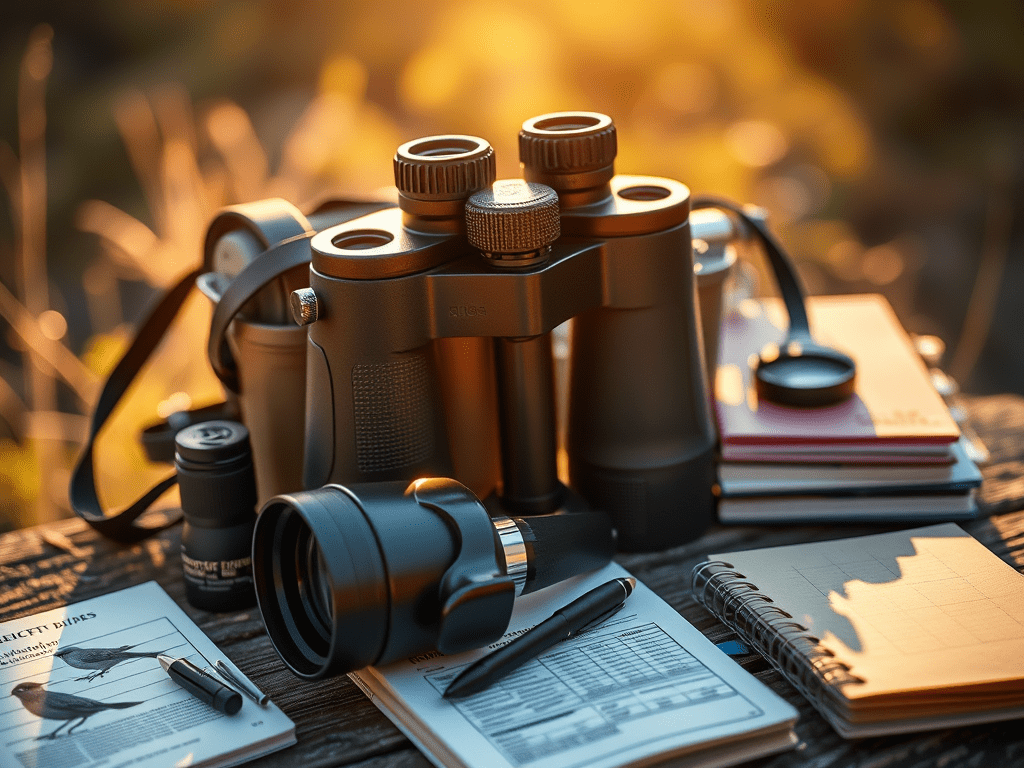
Background
Ever since going on a field trip with Dr. Tom Quay’s Ornithology class in 1973, my eyes and ears have been tuned into the world of birds. Whatever the reason you are here, checking out this website, I can guarantee that birding will enrich your life. Birding is whatever you want it to be. I hope that it will increase your love and understanding of the natural world.
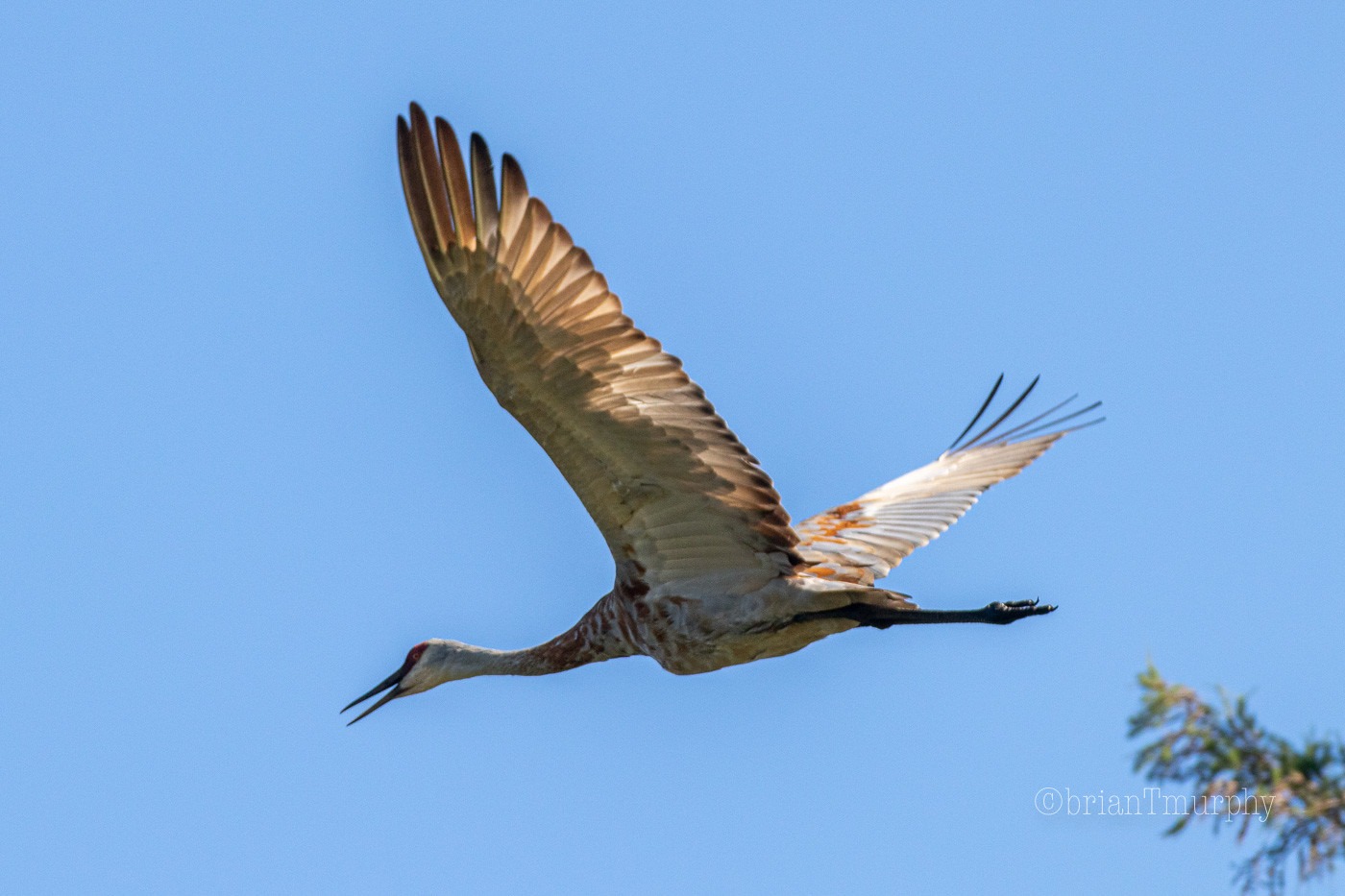
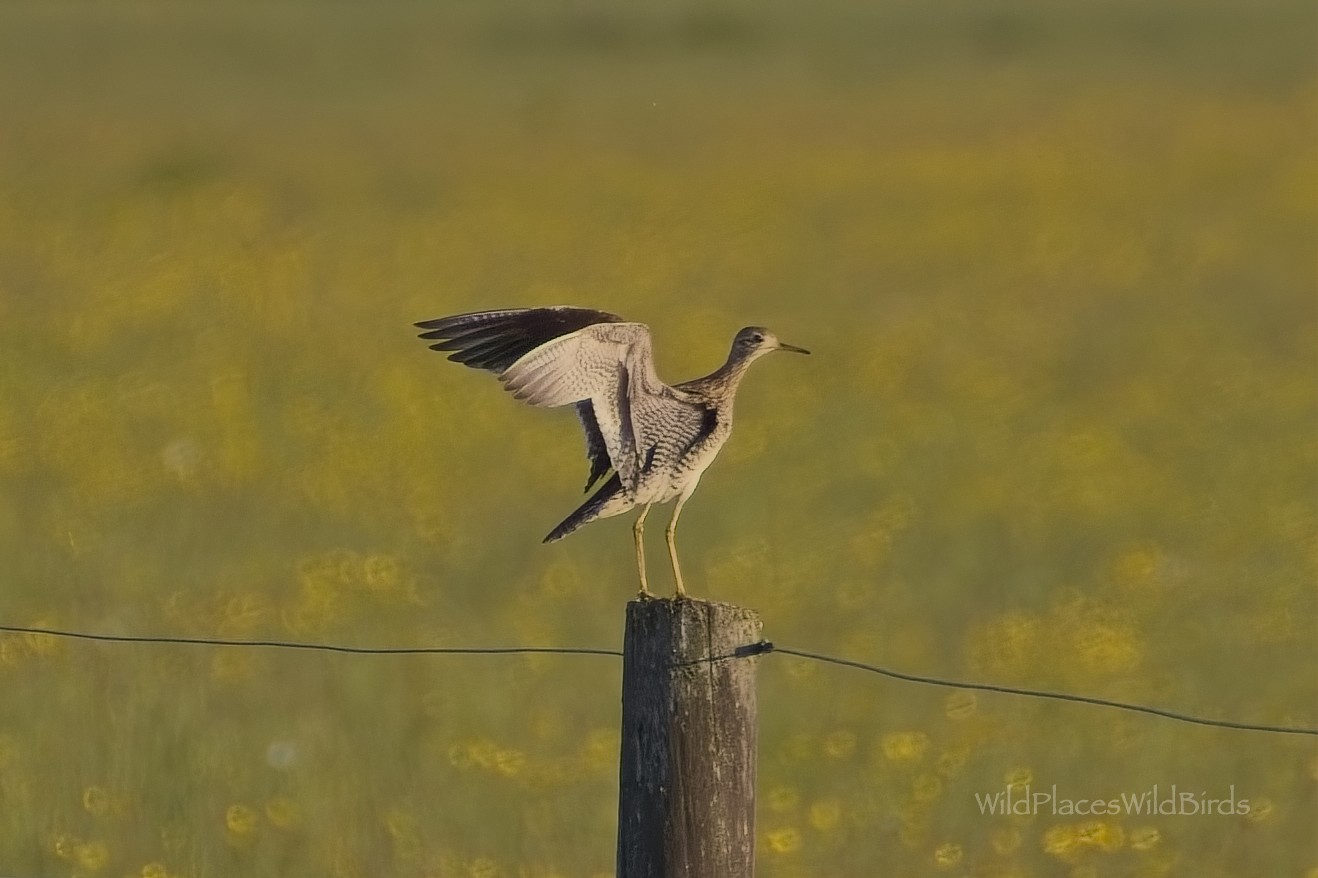
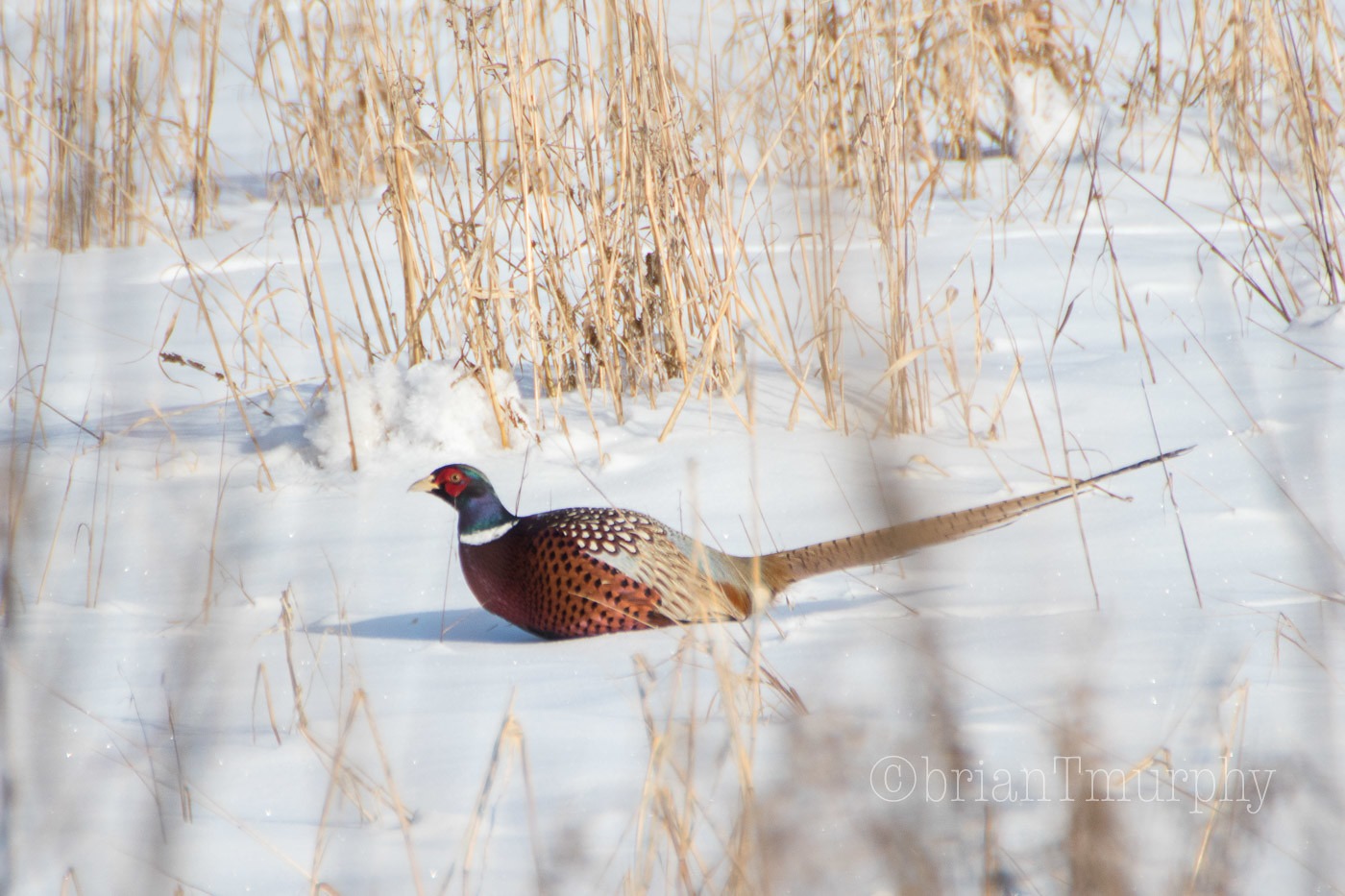
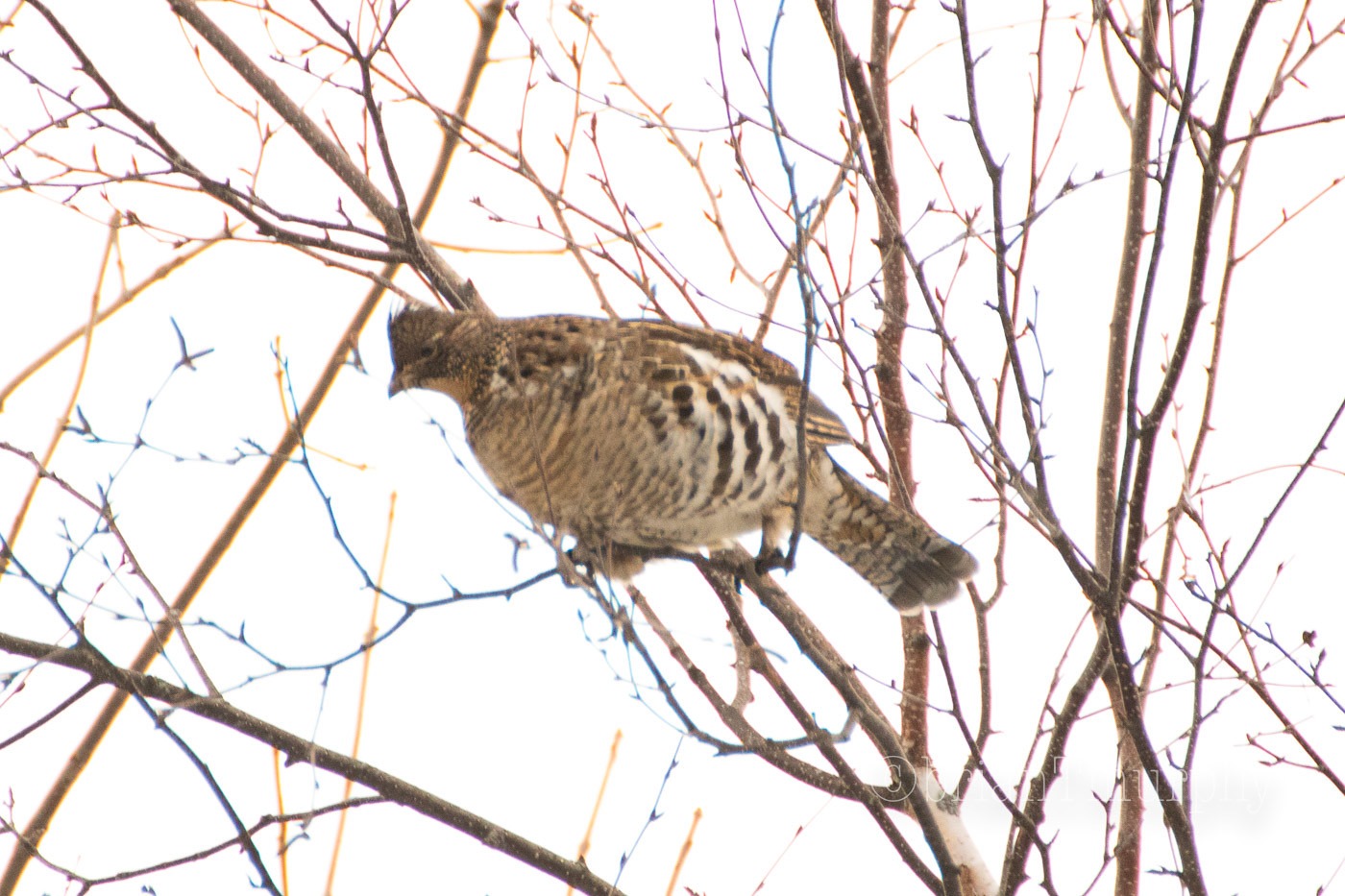
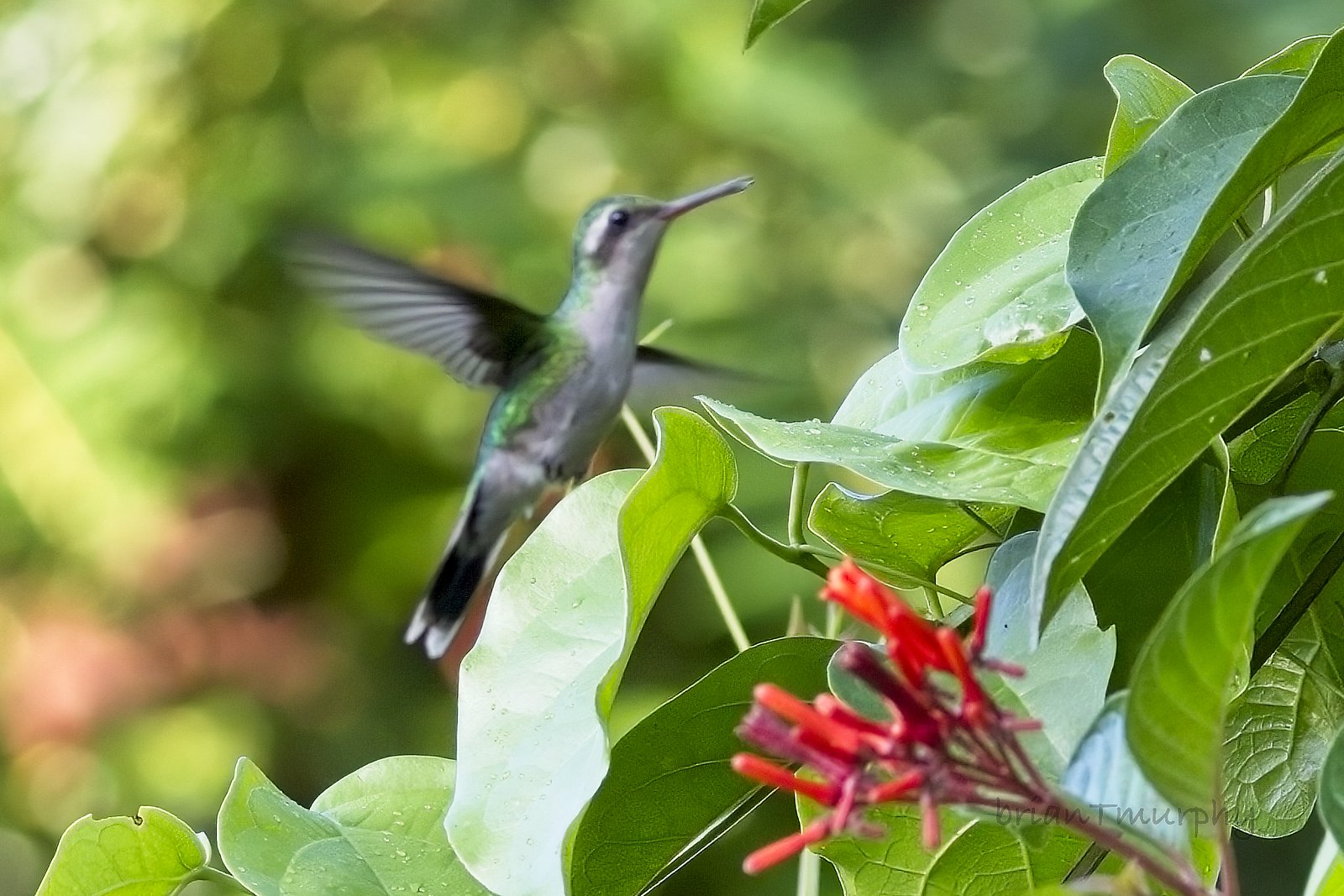
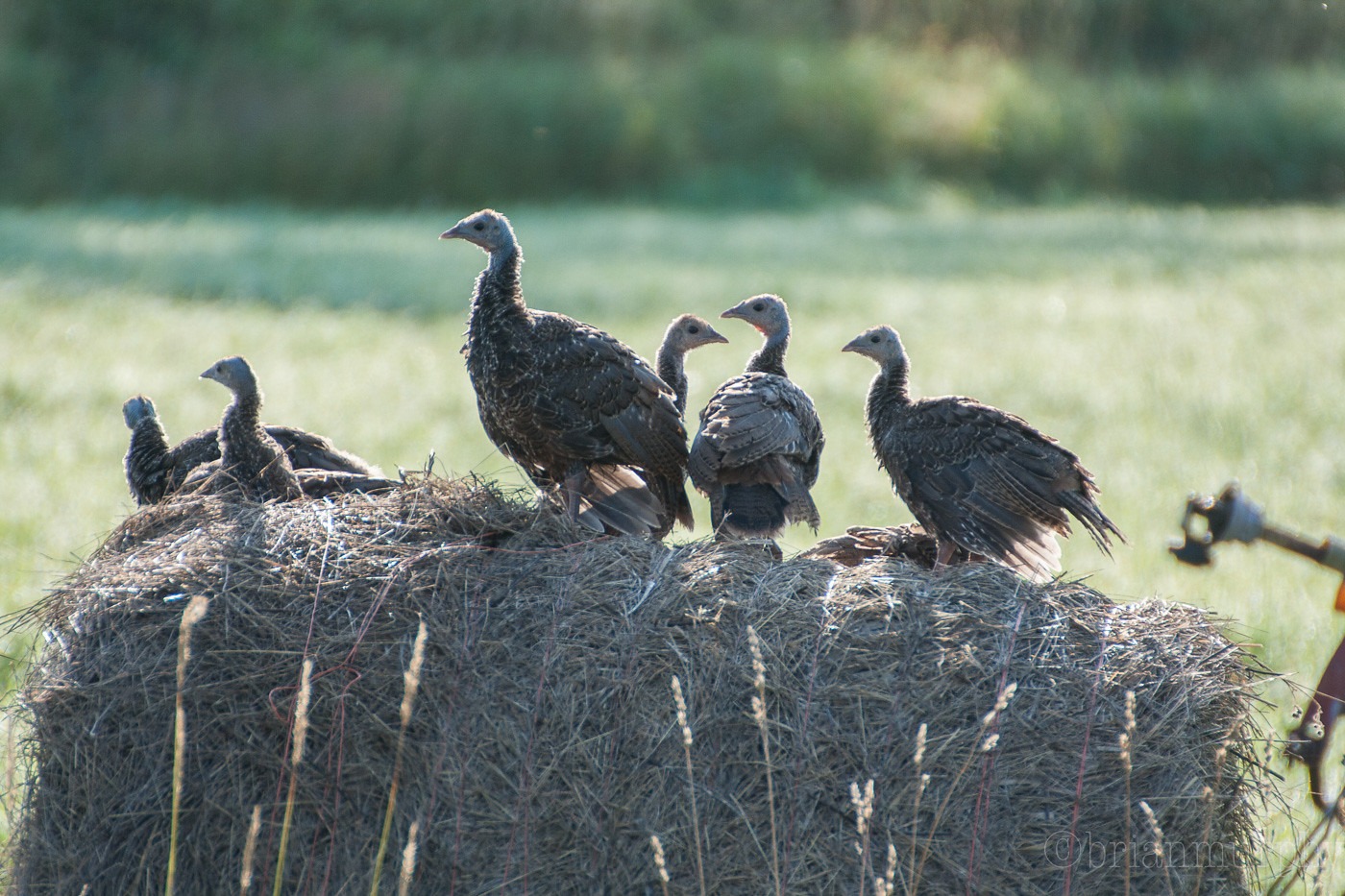
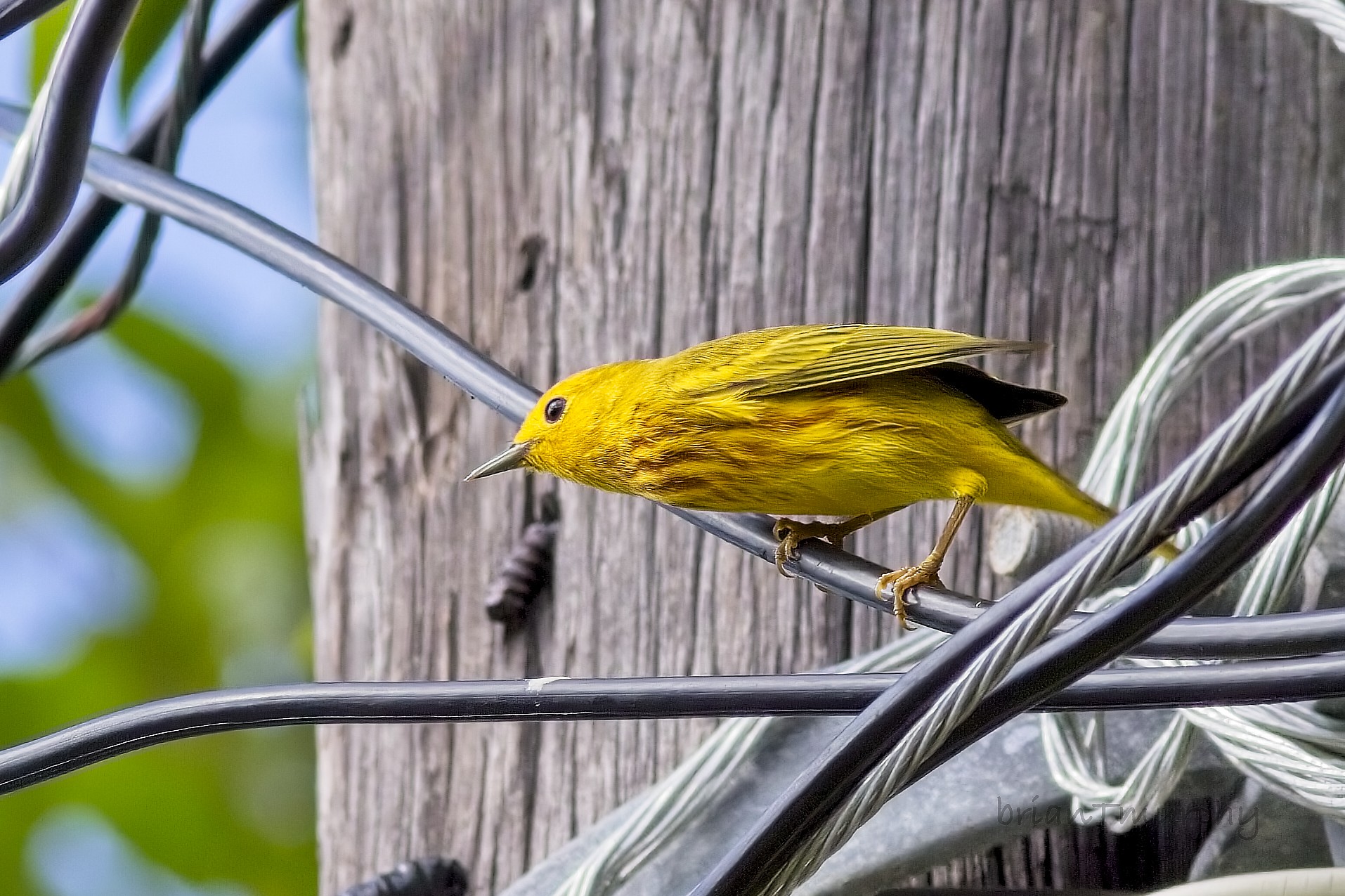
Where do you begin? Well, it depends on where you are and where you want to go. There are basic needs, starting with, of course, a location to “bird”, some equipment (such as binoculars), and some type(s) of reference materials. Ears and eyes wide open are also critical. Many birds are small and shy. Learning their songs will allow you to identify otherwise seemingly invisible birds. Learn to be quiet, be still, blend with the environment. If you have hearing loss, focus on the visual; if you have mobility challenges, birding can also be very rewarding, even just sitting in one place.
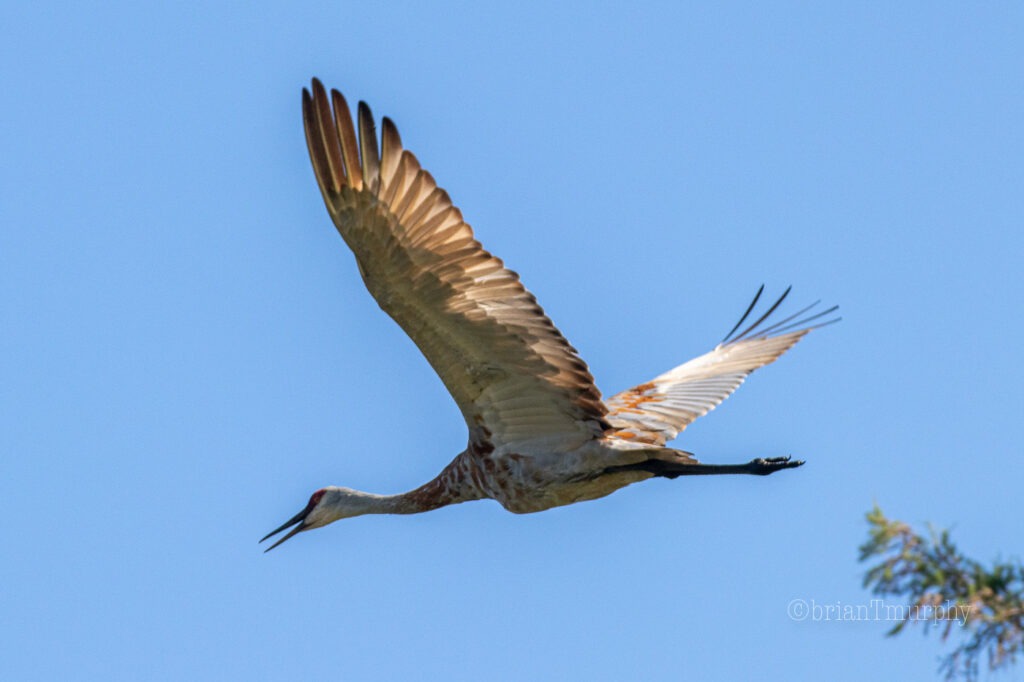
What is Birding?
Birding involves –
- Any activity in which a person or persons participates that educates them about birds and their place in nature.
- looking at a wild bird and trying to identify the species
- identifying bird songs
- observing bird behavior
- researching what you observed
- keeping a record of your observations, most often done today in eBird.
- sitting in a chair and recording your observations, sometimes done for as long as 8 hours, called a BIG SIT.
- running out at a moment’s notice to find a reported rare bird
- calling in sick so you can run off to find that rare bird
- collecting and reading bird books
- field trips, alone or with a bird club
- bird photography
- sitting on your deck at night listening for owls or migrating birds
- kayak birding, bike birding, car birding
- attending bird club meetings and outings
Getting started in birding
General suggestions
- learn to identify birds by shape, color, size, sound, and markings.
- Keep it simple, don’t spend a bunch of money
- Start with Sibley as your field guide
- Find experienced birders to walk with, but don’t feel overwhelmed by their amazing skills. It comes with time
- Start in your yard or a nearby park. You do not need to take off on a Costa Rica birding adventure the day after you buy your first binoculars.
- learn birding ethics
There are birding rules
Please read the following –
Audubon Ethical Bird Photography
David Sibley’s Proper Use of Playback in Birding
Birding Needs and Wants
- Eyes and Ears
- Binoculars – if you have a pair, use them. If not, I recommend going cheap and testing upscale models in the field by asking other birders for a look. Then, begin shopping for your lifetime binoculars.
- field guide – digital and paper editions
- bird song and call recordings
- spotting scope – mainly when birding waterfowl. Same advice as above, perhaps buy a used scope first, then spend time peeking through fellow birders’ scopes until you settle on your personal preference.
- Backpack – you want to keep your hands free
- water, and a snack – birding outings can be quite the adventure, so be prepared.
- waterproof shoes, waterproof everything – stay warm, or cool, and dry
- Camera – any camera will do. Not exactly……….
- an eBird account – see the separate section about eBird
- a Facebook account to follow local, state, national, and international bird clubs
Help bird populations
Buy coffee with the Smithsonian “Bird-friendly” label.
“The label means that the farm where the coffee was grown qualifies as “bird-friendly habitat” as defined by the Smithsonian Migratory Bird Center. The standards promote environmental sustainability of coffee farms and protect biodiversity, with a special focus on providing shelter and food for migratory birds. Coffee farms are also required to be certified organic. The label is verified and highly meaningful.”
The Birding Community
Fellow birders in North and South Carolina are often involved in
Check your area for nearby birding clubs.
Festivals and Birding Tour Companies
Birding and Nature Festivals in North and South Carolina
- Wings over Water
- Boone Birding Festival
- Blue Wall Birding Festival
- Atalaya Festival
- Carolina Bird Club Spring Meeting
North Carolina-based tour companies
Where to go birding
Locations
- My recommendation: begin in your own backyard or a nearby park. This allows you to better focus on technique, the process of finding and identifying a bird.
- Local birding hot spots
- locations requiring overnight travel
For a comprehensive list of North Carolina birding sites, click here.
Learn to use eBird to locate birding hot spots.
What to do when you get “there”.
You can arrive at a good “birding site” and feel disappointed rather quickly. Not a sound, no movement, nothing is there; it is a dead zone.
Be patient. An area that seems devoid of all life can come alive quickly. Often it pays to sit still (see Big Sit) for a short period of time. Get your binoculars clean, have a snack, and look through your field guide for expected birds.
Or, walk really fast until you find the birds.
Triangle Birding
Birding Sites in the Triangle – for very comprehensive coverage of the Triangle, click here for the CBC list of Triangle birding sites. Here are my suggestions for beginners.
Wake County
- Prairie Ridge Ecostation, easy access off I-40 near the RBC Center.
- Lake Crabtree County Park – easy access off I-40; Yates Mill County Park
- Umstead State Park – best access off Hwy 70 (Glenwood Ave.)
- any of the Greenway trails, such as Lynn Lake, Shelly Lake,and Neuse River Trail
- Falls Lake recreation areas
Durham County
- Eno River
- Sandy Creek Park
- Duke Gardens
- Falls and Jordan Lakes
Orange County
- Jordan Lake
eBIRD and Merlin
eBird has radically changed the world of birding. I won’t try to explain it all in this small space. CLICK HERE for the eBird “How to Get Started” page, and also, find someone who can walk you through it. I use eBird almost daily, quick yard lists, incidental sightings while driving or hiking, and recording multiple lists on birding trips.
The Merlin app has become pretty solid in identifying both sounds and images in North America. Overseas, it still struggles, sometimes mightily, to make the correct identification.
Recording bird sounds
Recording bird sounds is a relatively new adventure for me. I use a TASCAM recorder. It costs about $125, an inexpensive way to begin a new hobby. I use AUDCAITY to edit the recordings, and have learned that less is best. I have posted my recordings here at WPWB, at XENO-CANTO, and at Macaulay(eBird).
EDUCATIONAL BIRDING VIDEOS
The Wakelet service is old school. I will get this cleaned up soon.
Educational Videos – I have searched the web for birding videos, which you can scroll and view below or go directly to the Two Talons Up Wakelet site.
Click here to go directly to the Two Talons Up Wakelet site
 Powered by Wakelet
Powered by Wakelet