
Winter Mode
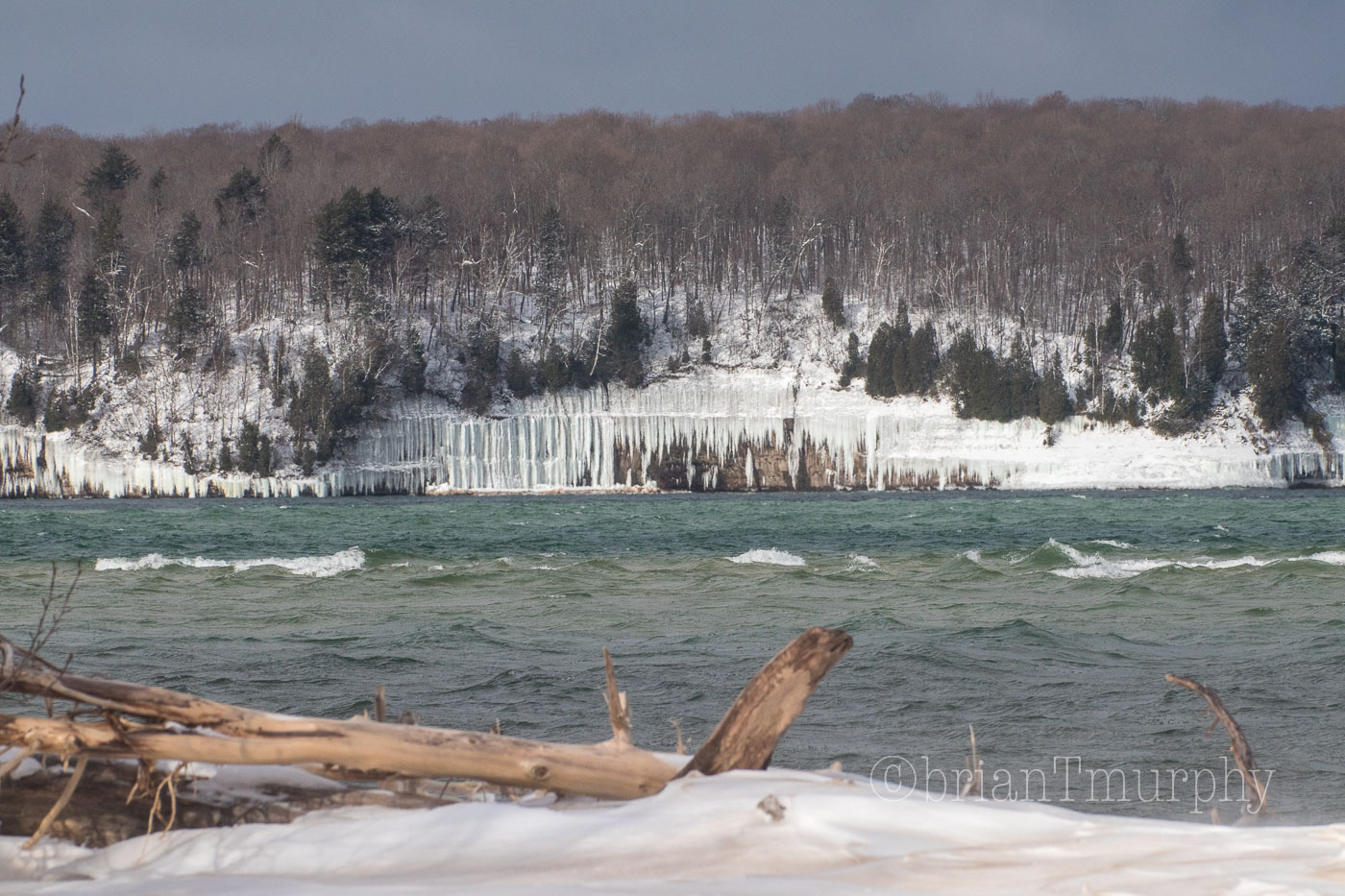
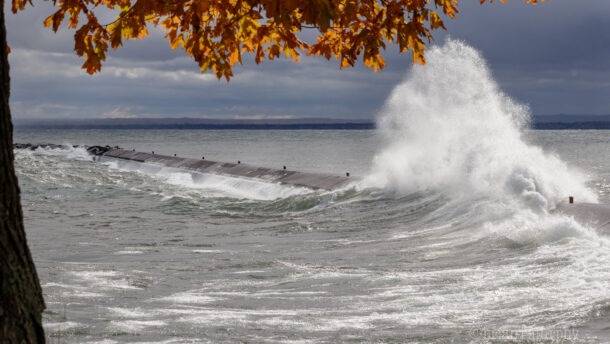
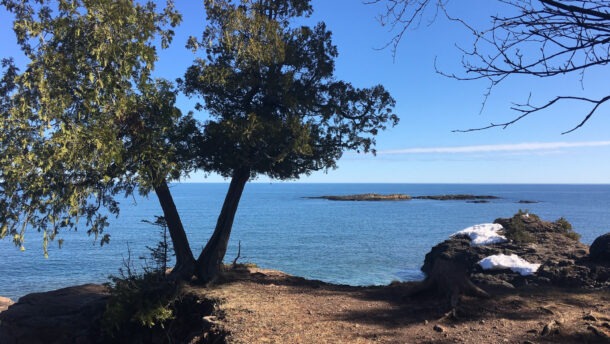
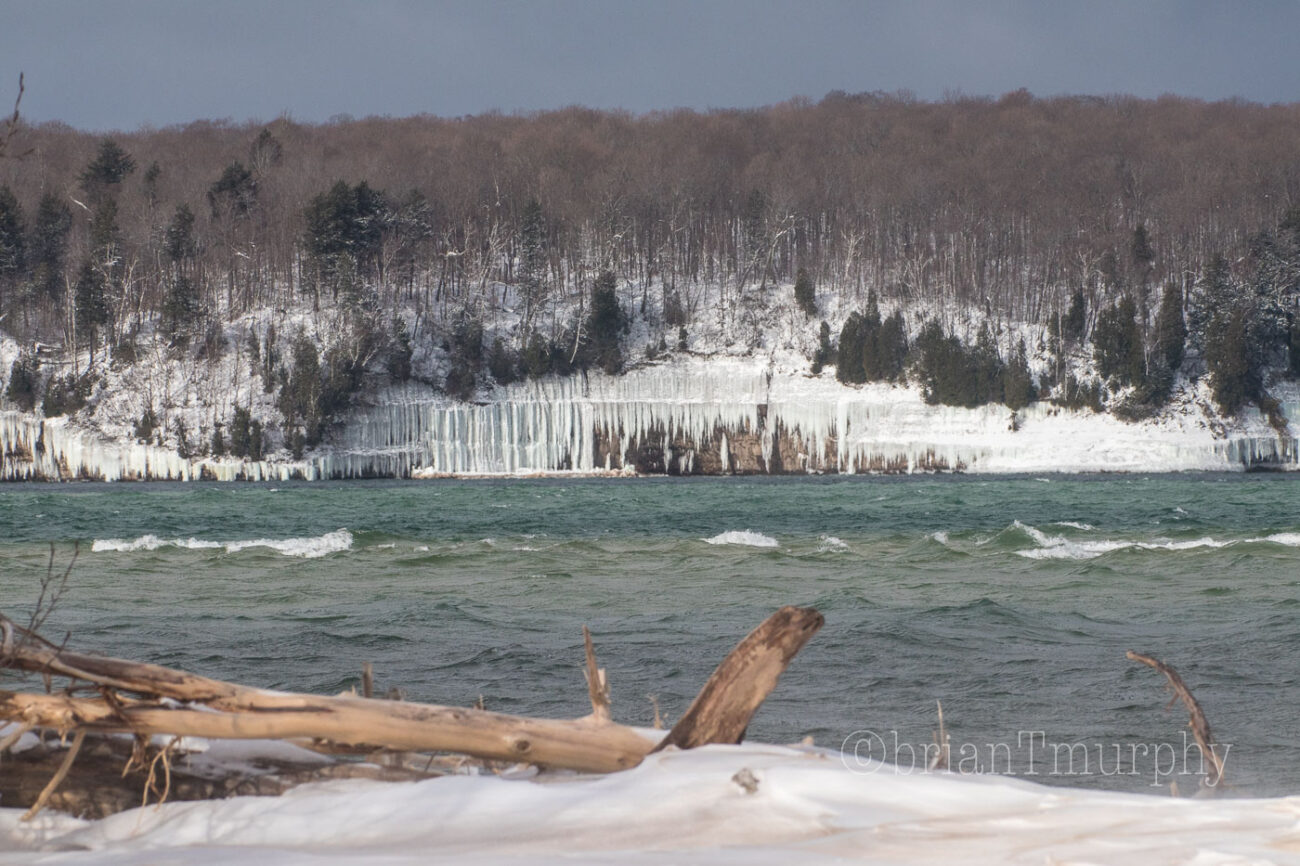
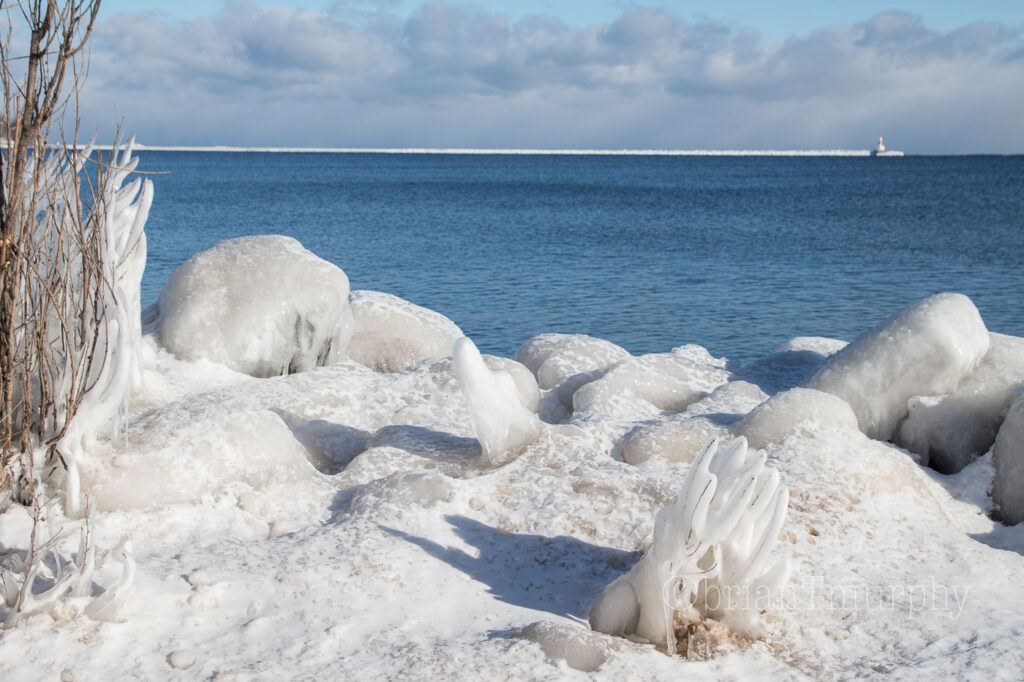
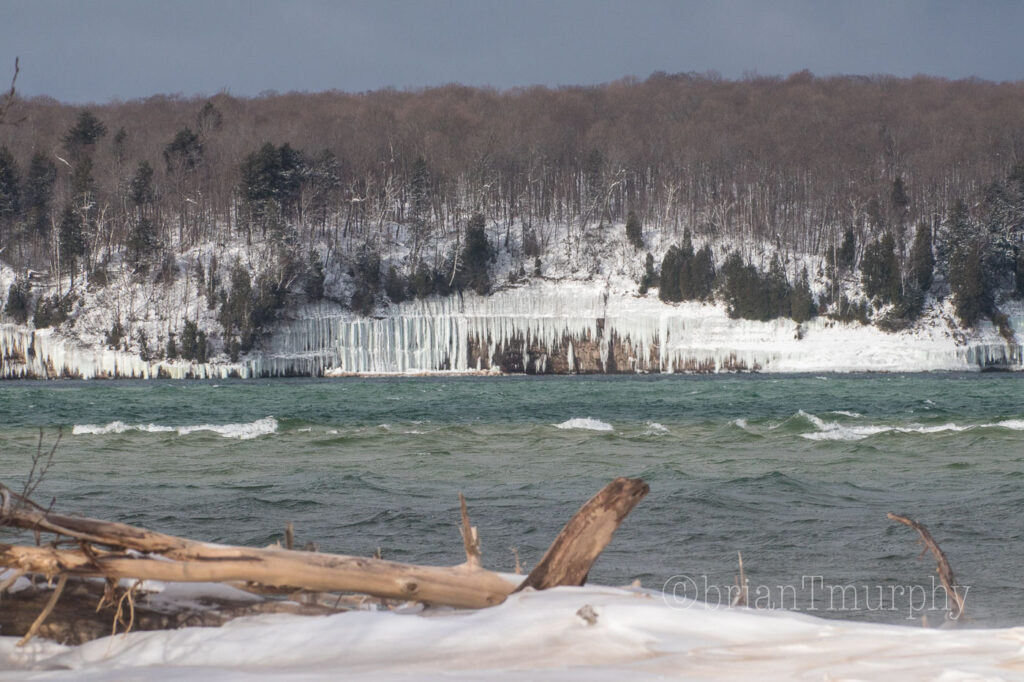
In December, Lake Superior shifts entirely into winter mode. Winter conditions are typically harsh and fast-changing, especially compared to earlier fall. Today is no exception, but with a twist. Winds are from the south at 20mph, gusting to 45. After a quick thaw tonight into tomorrow, our snow cover will survive as temperatures plummet into single digits, winds roaring from the north, and lake-effect snows whipping the shoreline. Most but not all birds left town weeks ago. As they went, new ones arrived, some spending the entire frigid winter here in Marquette.
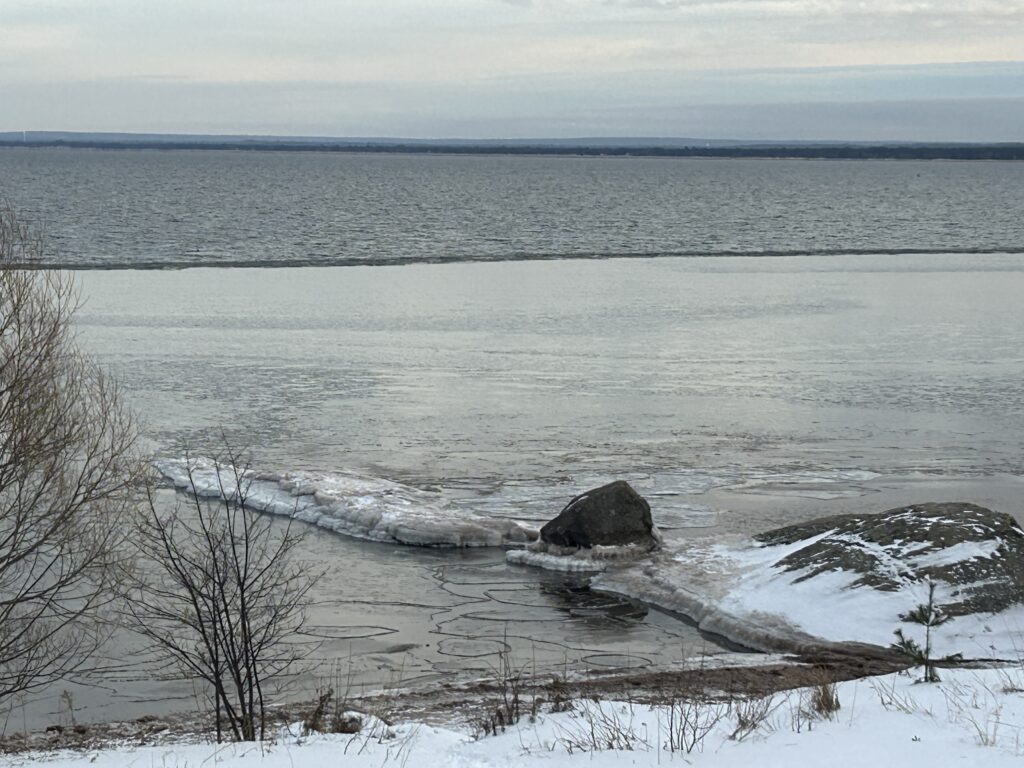
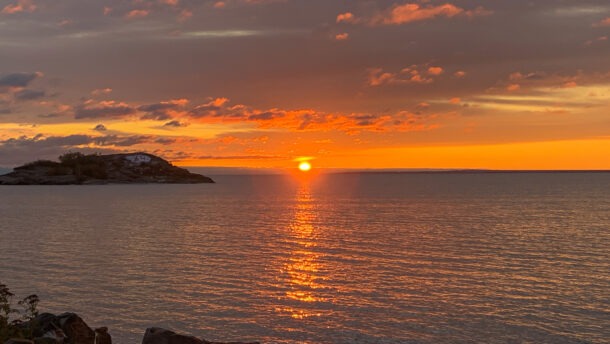
In quiet areas near shore, behind break walls, and in the harbor, ice is slowly forming, but most water remains open. Commercial shipping, mostly iron ore freighters picking up a load railed in from the nearby iron mine, will continue into the first week of January before taking a winter break as the Sault St. Marie locks shut down for the winter months.
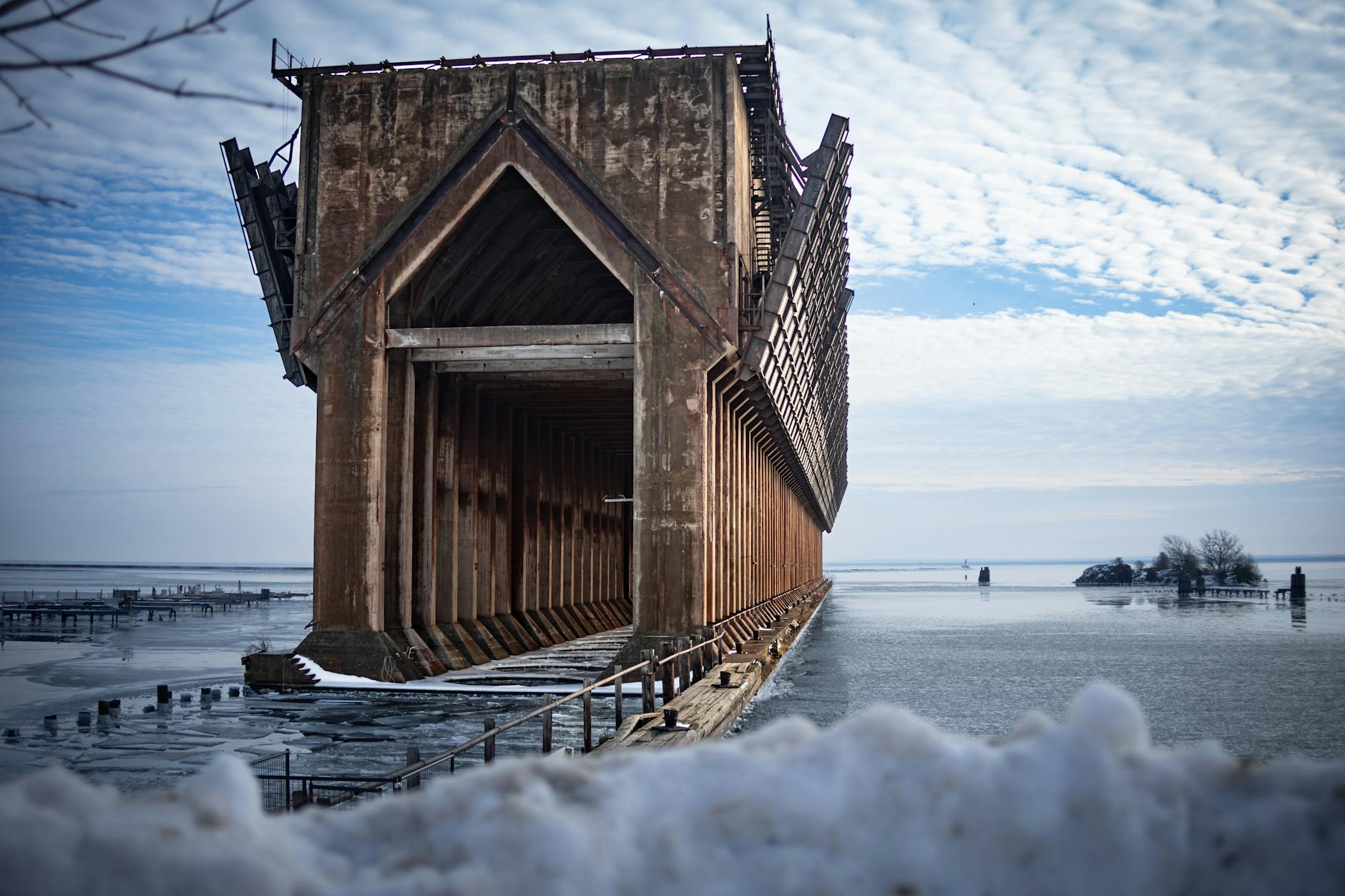
Photo by Alexander Hamilton on Pexels.com
Winter Birders
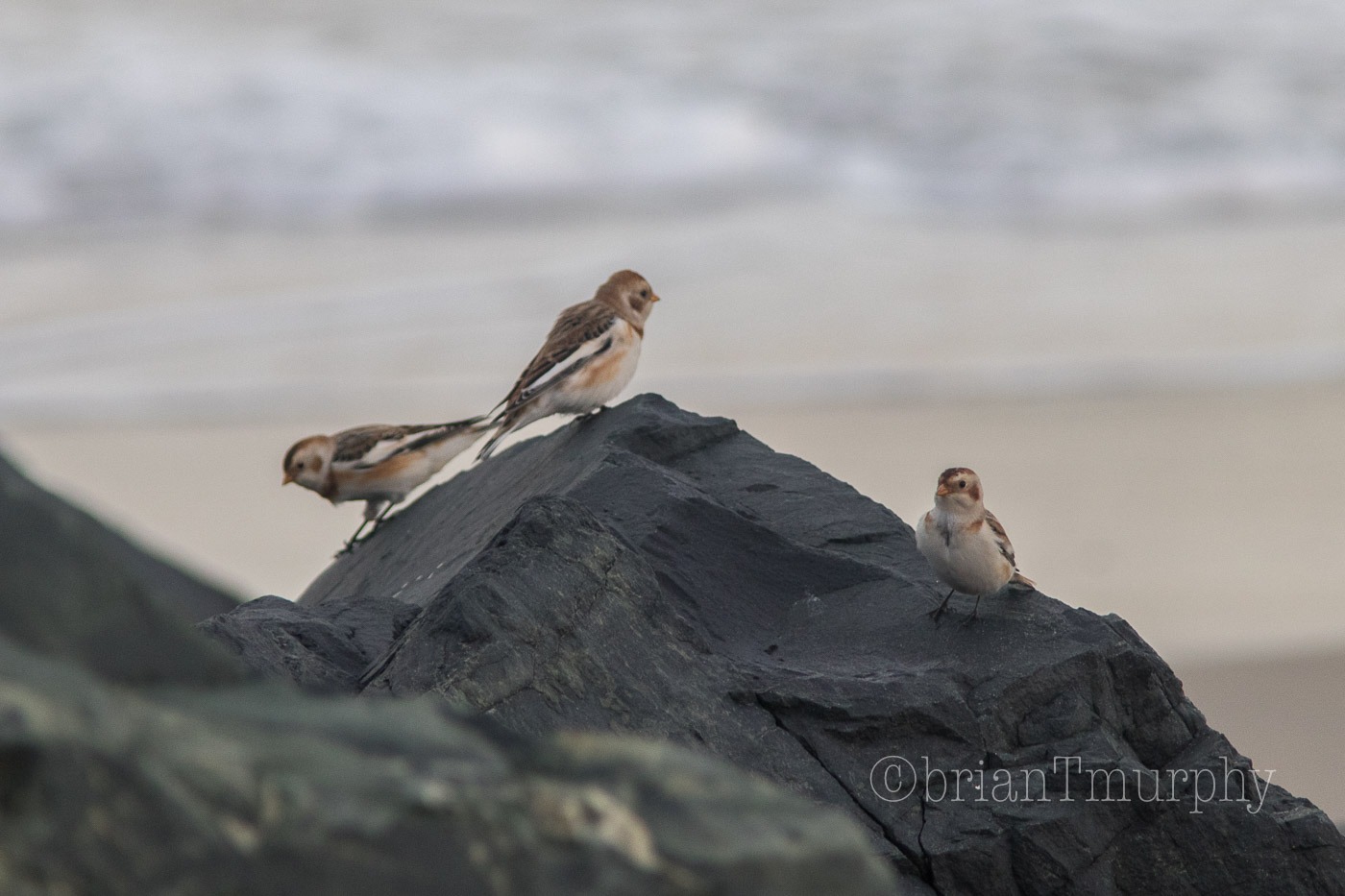
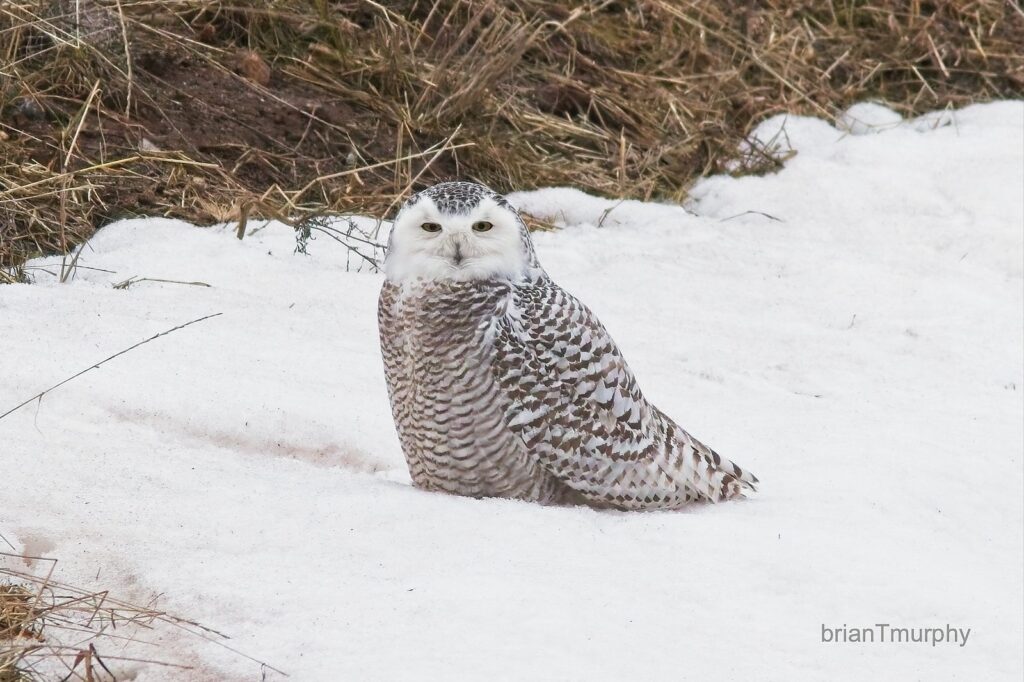
Birding the area during winter and being a bird in the area during winter are both challenging. But we have cars with heaters! Cruising the shoreline, stopping along the many access points, a patient birder can locate some really awesome bird species. This year, we had early arrivals of Snowy Owls landing on the rocky beaches, on campus buildings, and hunting rabbits two blocks from my house. They have mostly since moved on, but we can expect more in the coming months. The shoreline also attracts solo stragglers blown in from the western United States.
Winter Waterfowl
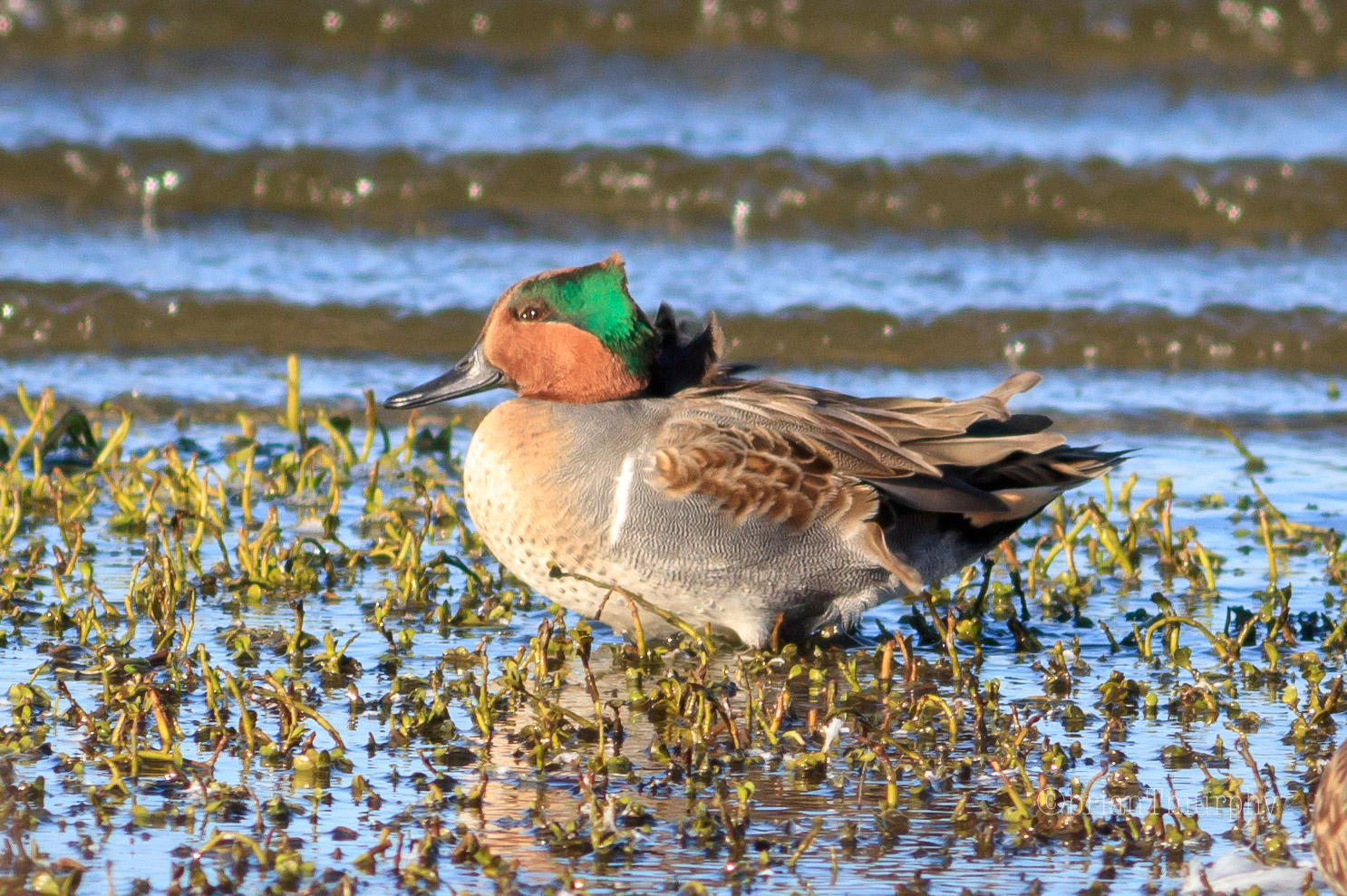
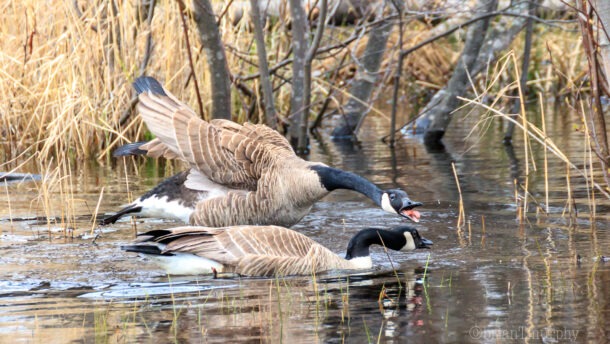
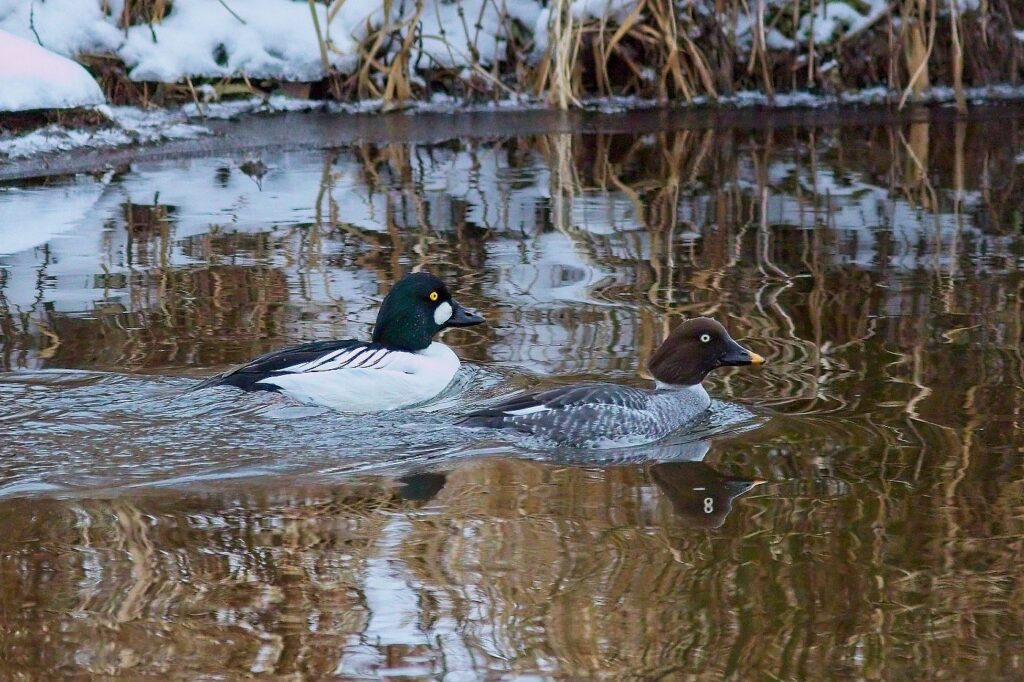
Waterfowl flows south in the fall, mostly to our west and east, but we get quick visits and a few stragglers. In December, we find small numbers of Common Goldeneye, Common Merganser, Long-tailed Duck, and the local Mallards, all staying until, if and when, the lake freezes over.
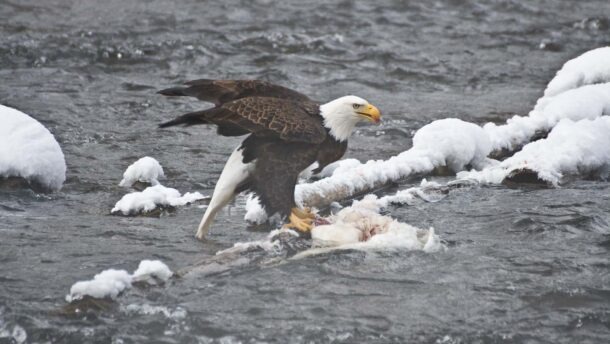
We are mostly raptor-free in winter except for a random Cooper’s Hawk, Bald Eagle, or a passing Rough-legged Hawk. The Northern Hawk Owl makes rare appearances every year or so. Last year, a Saw-whet Owl tooted around campus for about a month. By December, our large flocks of Ring-billed Gulls have mostly wandered south.
Berry Eaters
Besides the shoreline, backyards can offer good birding once birds have given up searching for food in their natural habitats.
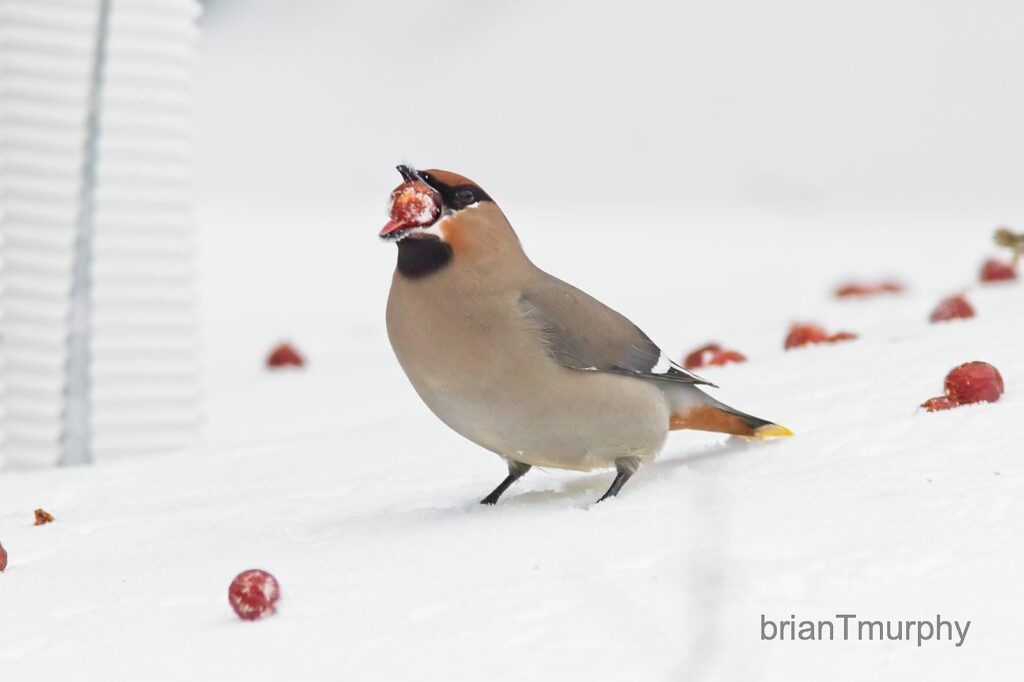
Standard backyard fare includes American Goldfinch, Mourning Dove, Dark-eyed Junco, and, over the past decade, an increasing number of Northern Cardinals. What really gets local birders hyped up in winter is the arrival of finches from Canada. Some years, Common Redpoll, Pine Grosbeak, Evening Grosbeak, and Purple Finch flood in to take advantage of neighborhood fruit trees and feeders. Some years, there can be almost none. It all depends on the winter food supply farther north.
We also hope for Bohemian Waxwings. Amazingly, a few winters back, there was a flock numbering near 500 that roosted for a while in the big maples across from my home. They would break up into smaller groups and gorge themselves on the local berries.
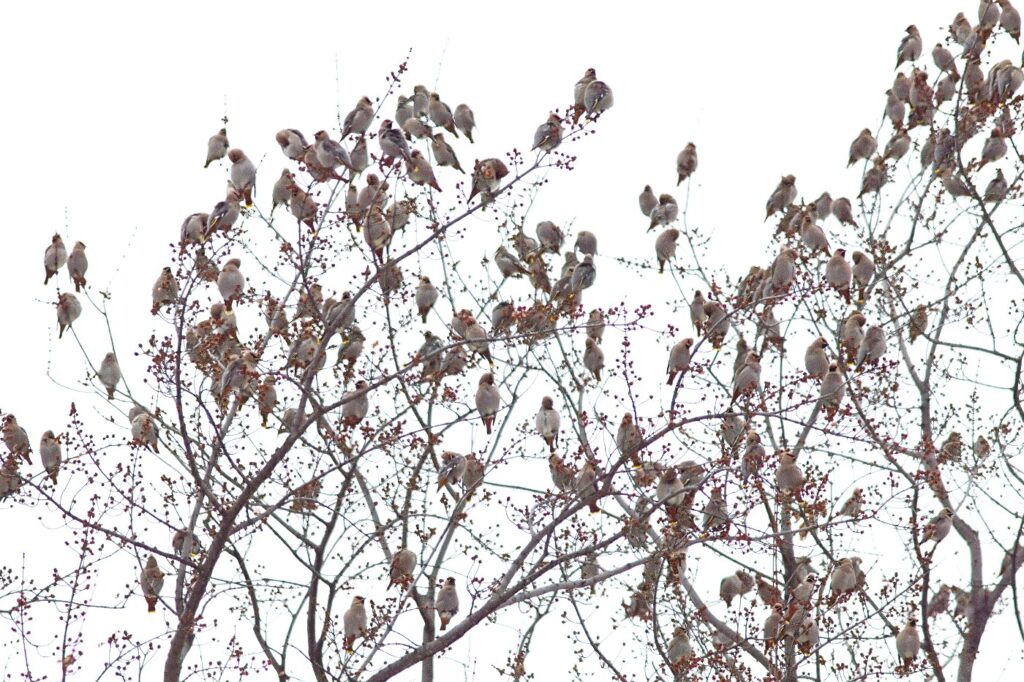
Now, it might sound like birding can be very productive during Lake Superior winters. Still, realistically speaking, it takes effort, patience, and layers of clothing to check off many species during our sometimes brutal winter weather.
So, what about January, February, and March? Same. There will be no significant movement north until April. Warblers will arrive in late May. Visit the Bird of the Week page.

Yet we love it here in winter, and the birds do as well. Some. Not too many. All the more exciting to go out birding and find them. Hop on the next flight to Marquette and experience the wonderful winter birding, warm breweries, cozy hotels, and friendly yoopers.